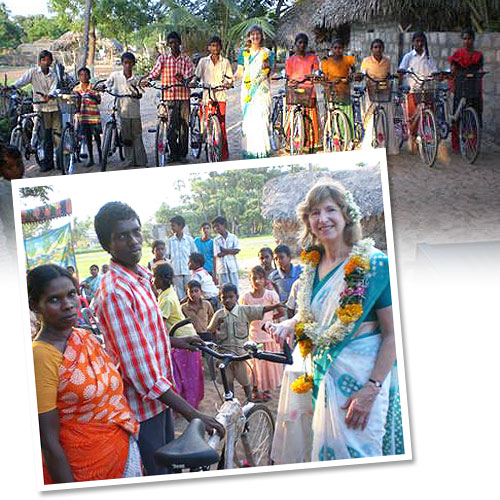
Bicycles for school · £38
Secondary school is 5 km away in Chirala, and some families can't afford the £2 monthly bus fare. We've given bicycles to equal numbers of girls and boys. Girls here don't usually get bicycles.
Vinay and Benedicta live in Burlavaripalem and run every project on the ground. Here's what your support does, and what it costs.
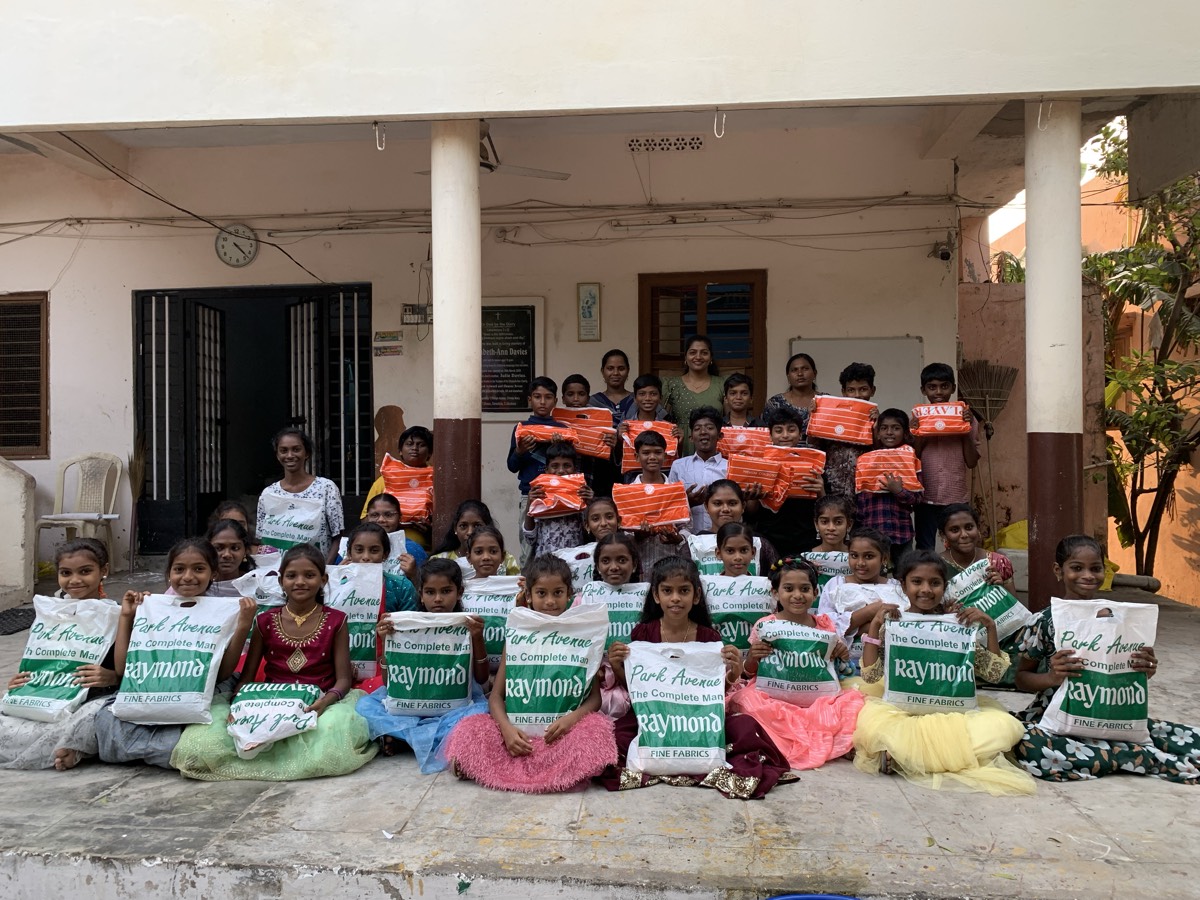
The heart of our work. Children aged 8 to 14 are chosen for their educational promise, with the hope that they'll go on to college. A few join because life at home has become too hard. Everything they need is provided. They go to local schools and get supervised tuition every morning and evening.
Benedicta runs the Home with a teacher who helps with homework and two cooks. The day starts at 5:30 am with homework, then breakfast and school. After school it's tea, more homework, supper and bed around 9 pm. Every other Saturday the children spend with their parents.
New dining room and kitchen, toilet block and bunk beds mean 37 children can now come to the Home. Under government rules, the 15 boys sleep at the Home and the 22 girls sleep at their families' homes. The solar-lit dining room is also the village hall, a safe place during floods and a homework room when the power goes out.
After Grade X (roughly GCSE level), we can sponsor a student's college costs with £100 or £250 a year. Several of our children are now at university.
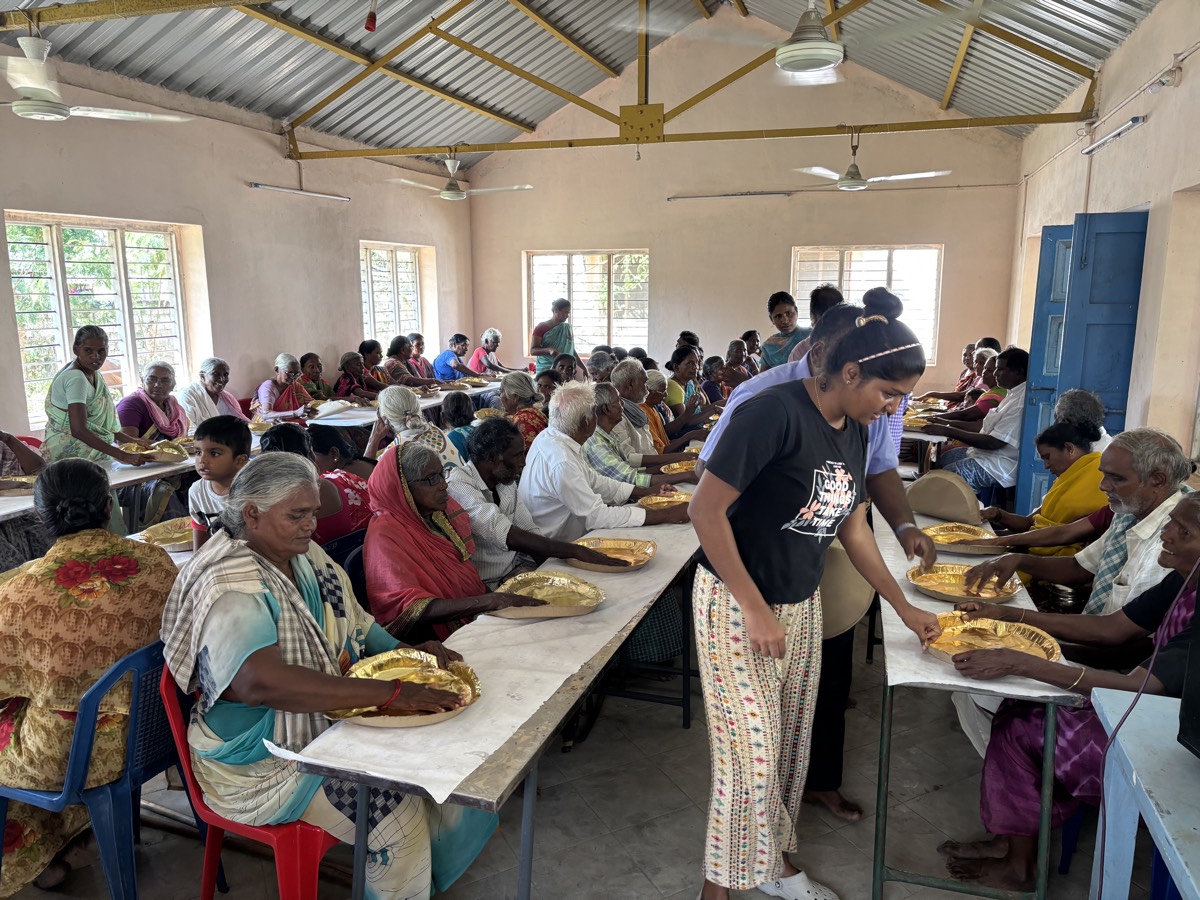
When Julie visited in 2005, she saw the conditions many elderly and disabled villagers were living in. Support began with 20 people. Today the charity helps around 70, with meals and a small monthly allowance. When asked how they spend it, most said they buy their daily breakfast.
Elderly people receive £5 a month and disabled people £3.50. 50p of each allowance goes to the Church for a Sunday lunch. There's also a monthly social lunch at the Elizabeth-Ann Home, with meat on the menu, in a new dining room that seats 70.
Some elderly people live with their children but can't feed themselves while the family is out at work. For the most vulnerable, we provide a weekday meal at about 30p a day. At Christmas, the neediest receive a blanket or new outfit.
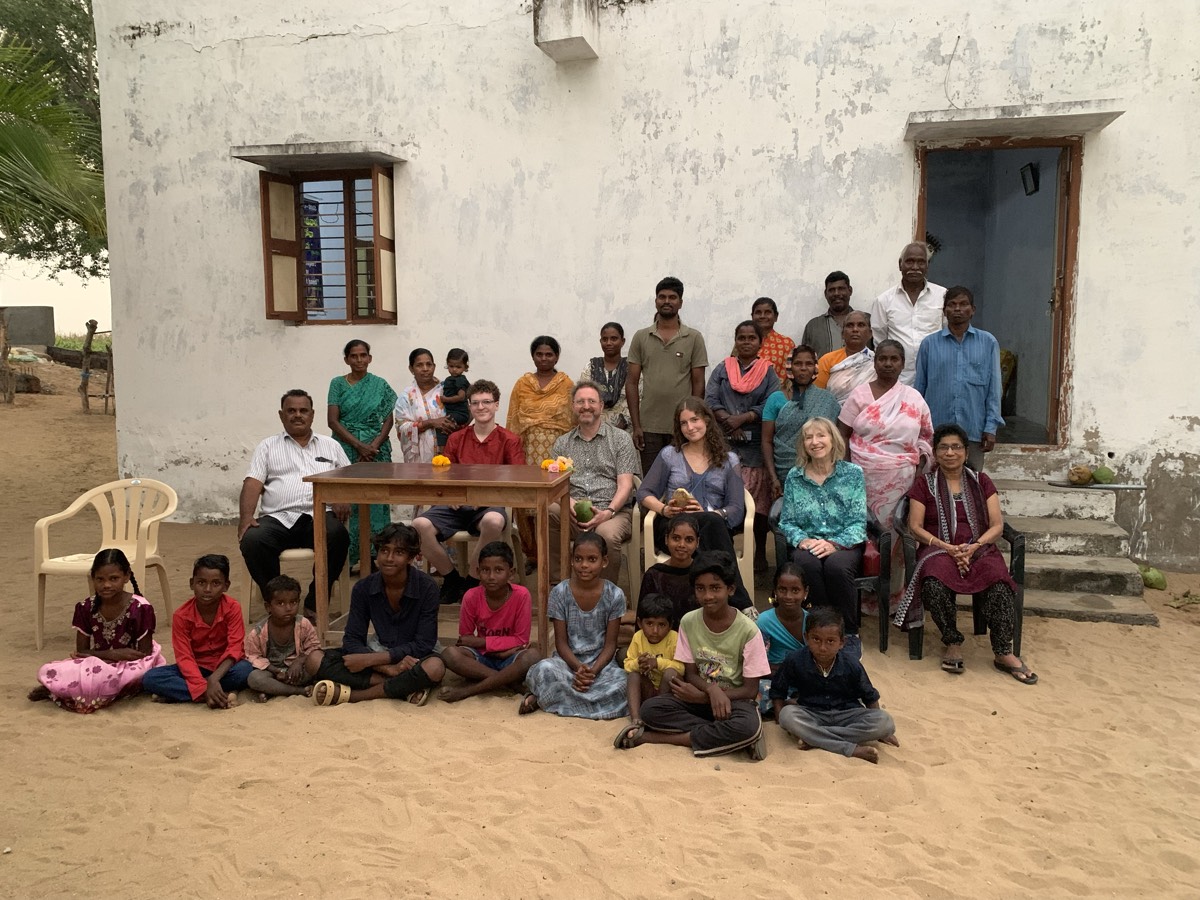
The Yanadis are a shy, low-caste people in southern India. Most cannot read or write, and they have lived in poverty and hardship for generations. The men work as day labourers and fishermen. The women and children clean and wash, and in the hottest months they tend mango groves. Their huts had palm-leaf roofs that let the rain in.
A friend of the charity, Barry Watson (“King Bazza”), bought land and built the first reed huts. The village is named Barrypuram after him. Now, with some government help, proper houses are being built for every family, along with a school room and a small church.
A new bridge over the canal, paid for with money Barry raised, now has its concrete deck and is in use.
Watch the homes being built ↗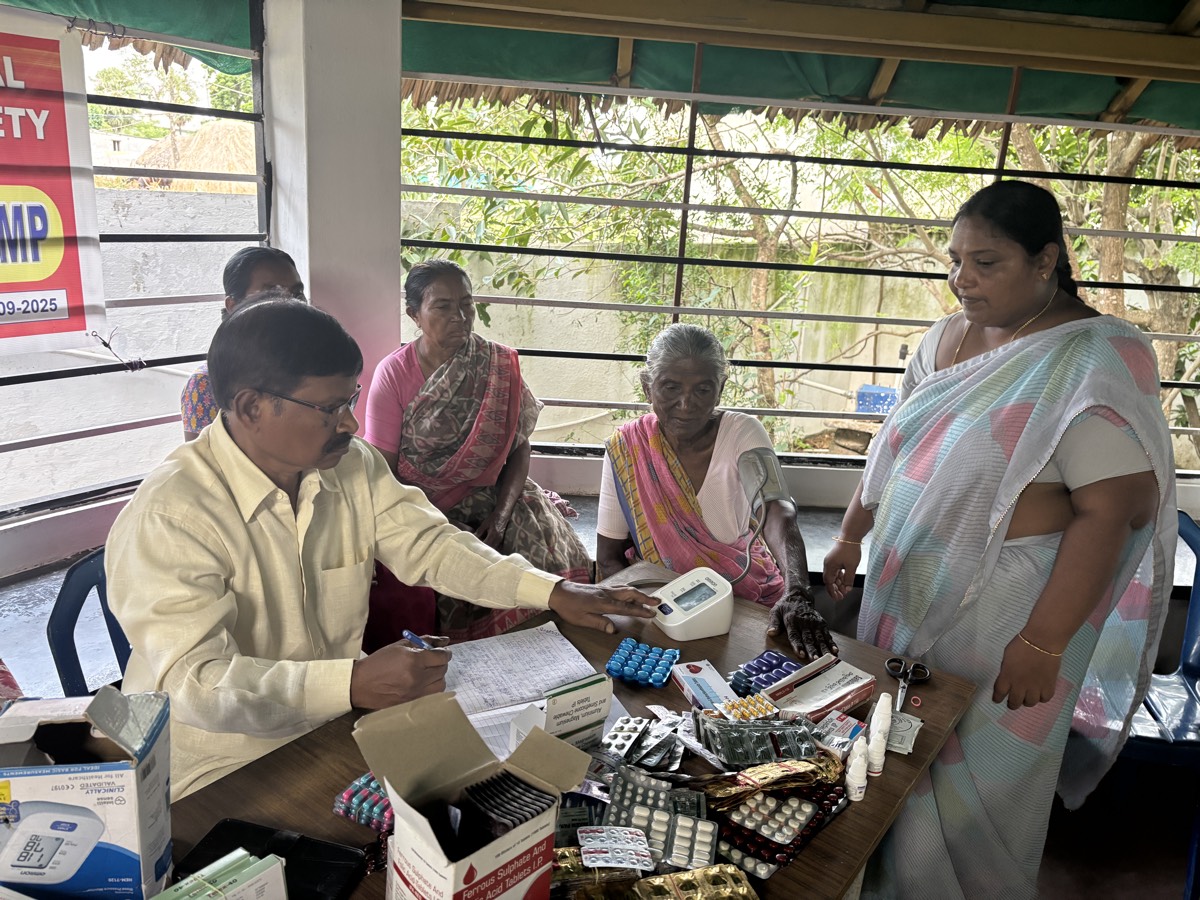
For years we've paid for a doctor to visit the village every 10 days, at a cost of £36 a month. Before that, villagers had to travel 5 km to Chirala. The doctor now works from the Elizabeth-Ann Home and sees around 60 patients each visit. He can write prescriptions and refer people to local hospitals.
We also support 5 villagers living with HIV, helping them pay for medicines and travel to collect them.
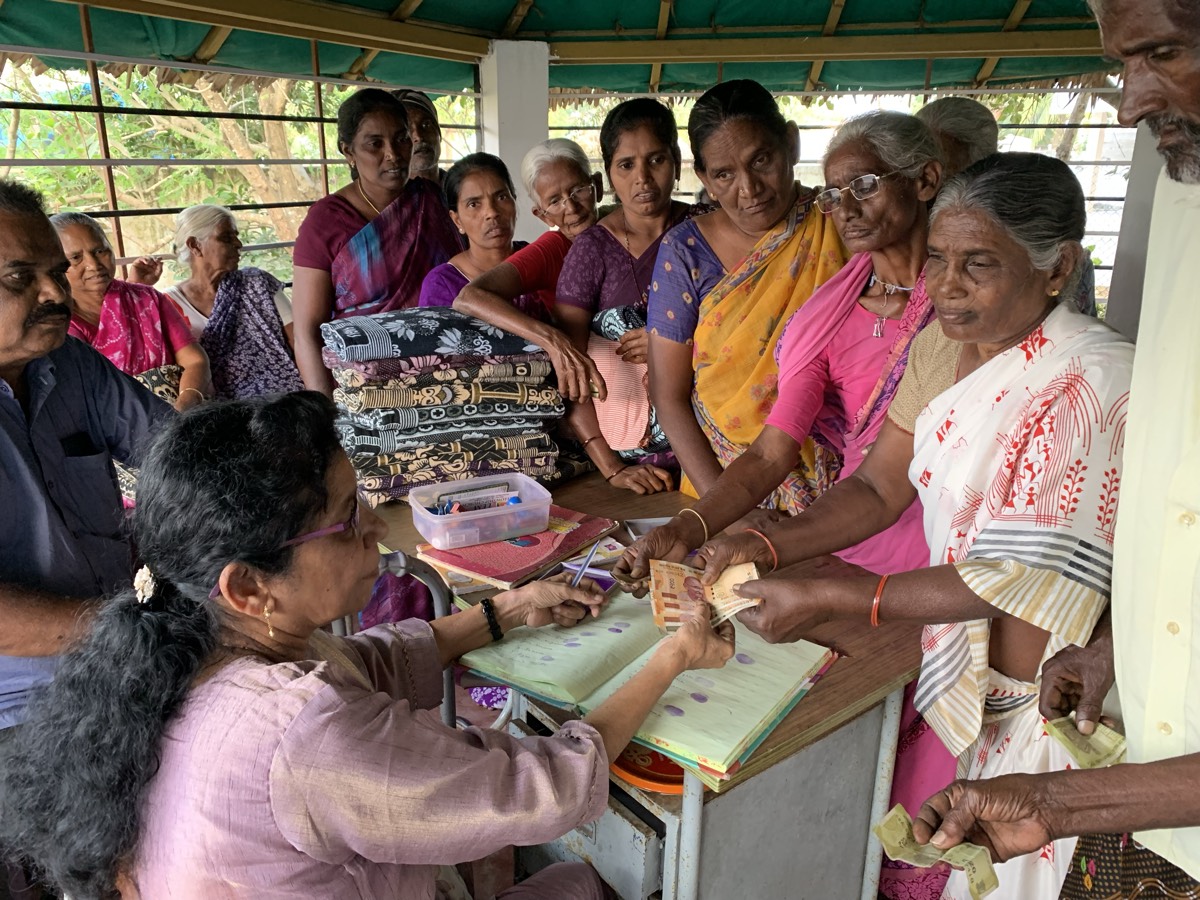
There are banks in Chirala, but villagers can't get loans from them, and lenders who will lend charge crippling interest. So women in the village form weekly savings clubs. Members agree to lend within the group so one or two can start a small business. A little seed money from us gets the first businesses going. Members also get health education and training in marketing and book-keeping.
Loans have paid for growing chilli plants, a water pump, a food shop, a bicycle and egg production. One woman bought a gas stove and now cooks breakfast and evening meals for her neighbours. Vinay also runs a savings bank where women can put money aside for their own needs.
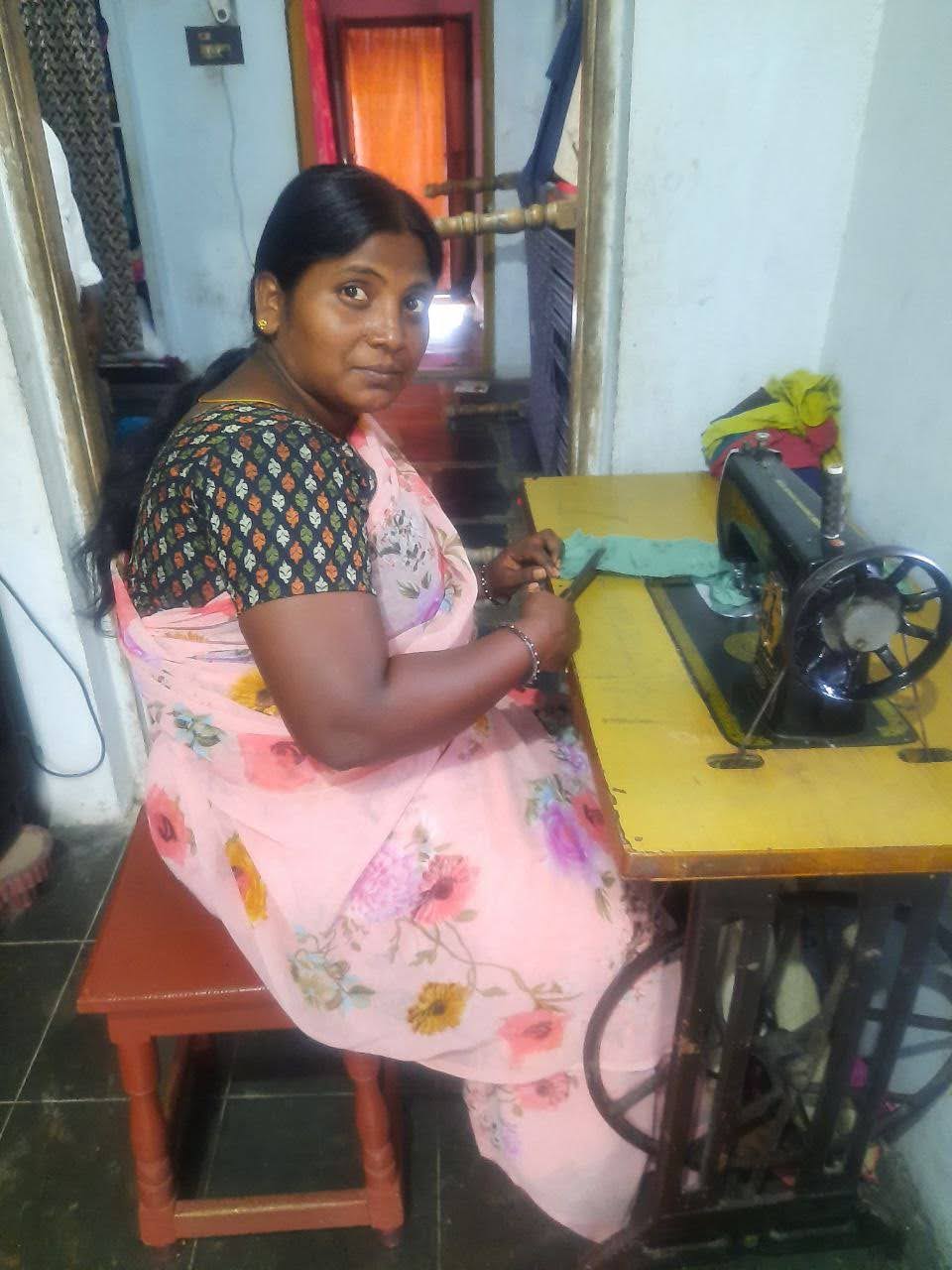
The village elders asked us to help young women with no skills learn to sew. We've bought 11 sewing machines and trained about 29 women. Each recipient pays half the cost of her machine.
Some now earn a living sewing for other villagers or selling outside the village, making twice what field work pays. Others save money by making clothes for their own families.
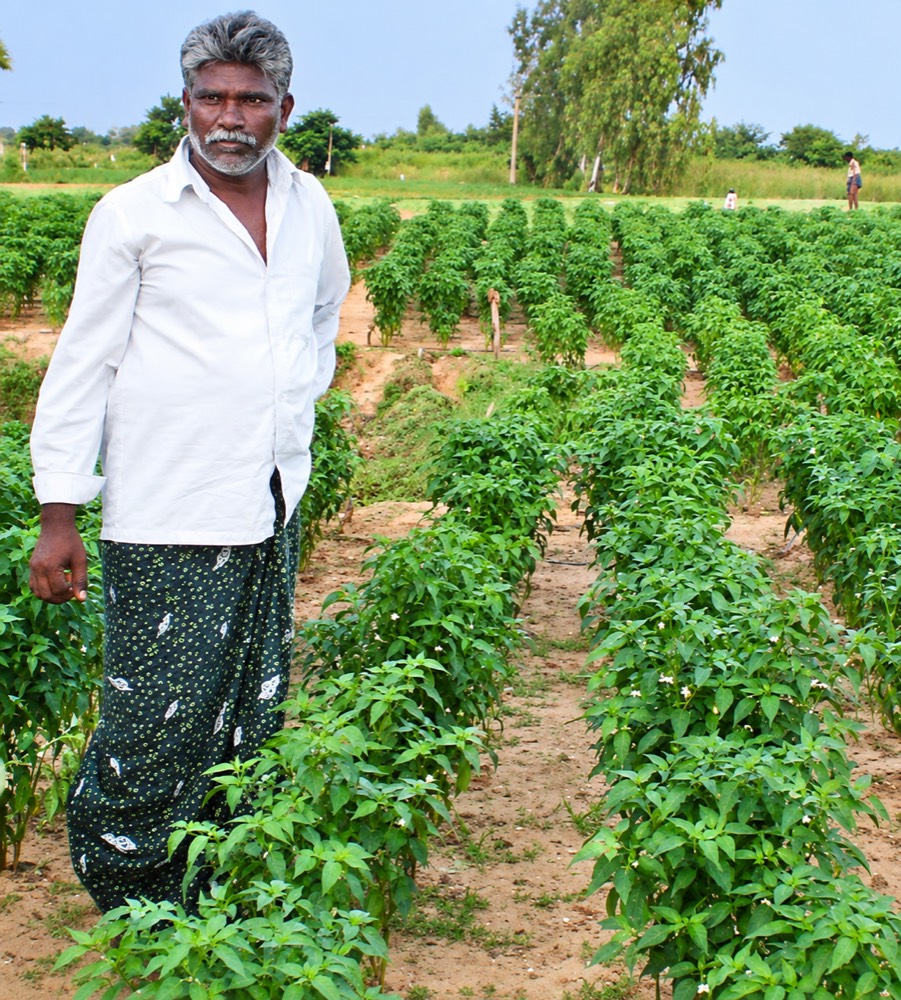
The climate allows two harvests a year of maize, chillies, rice and peanuts. About 20 farmers in Burlavaripalem own or rent ½ to 2 acres each. Every six months they borrow from money-lenders to buy seed and fertiliser, paying 3% interest a month until harvest. When floods destroyed one crop just before harvest, we sent £20 to each of 10 farmers.
In 2010 we set up a loan scheme. Ten farmers, two of them women, were each lent £70 to repay over 2½ years. As each loan is repaid, more farmers join, and each is encouraged to build savings so they can pay for future seed themselves.
Secondary school is 5 km away in Chirala, and some families can't afford the £2 monthly bus fare. We've given bicycles to equal numbers of girls and boys. Girls here don't usually get bicycles.
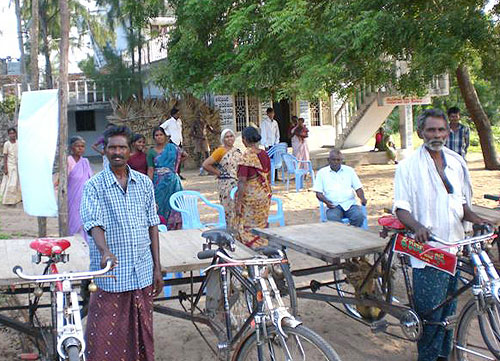
In earlier years the charity bought 25 rickshaws. At the time most men did seasonal field work for about £1 a day, and owning a rickshaw let a man work for himself and earn £1.50–£2.50 a day.
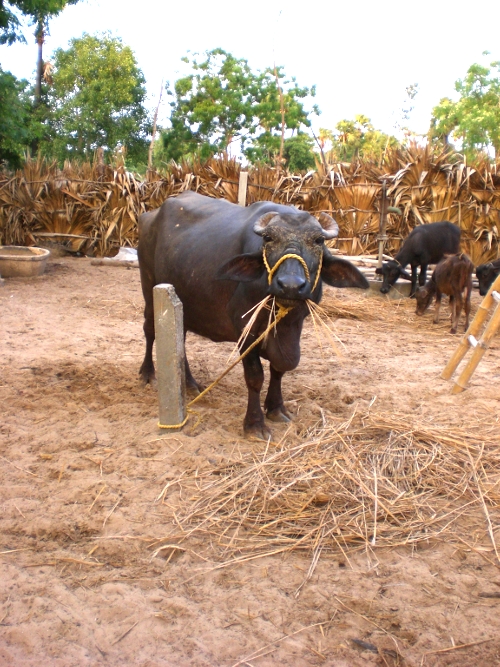
In 2005, Pastor Mary suggested water buffalo for widows. Six have been given. A 3-year-old in milk costs £300 and gives a daily income from milk.
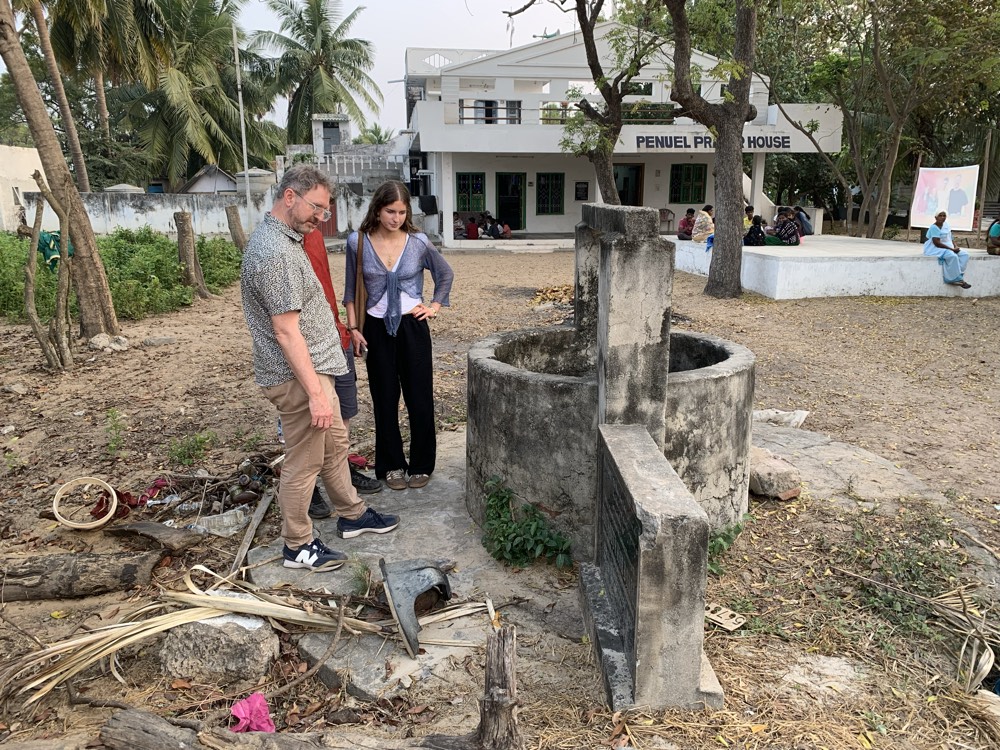
Where it all began. The 1991 well has since been joined by a bore hole and a water treatment plant. They supply clean water to the village, with some to spare for sale.
Built from breeze blocks, Indian-style, with waste piped to a cess pit that is emptied every 4–5 years. They were among the charity's very first projects.
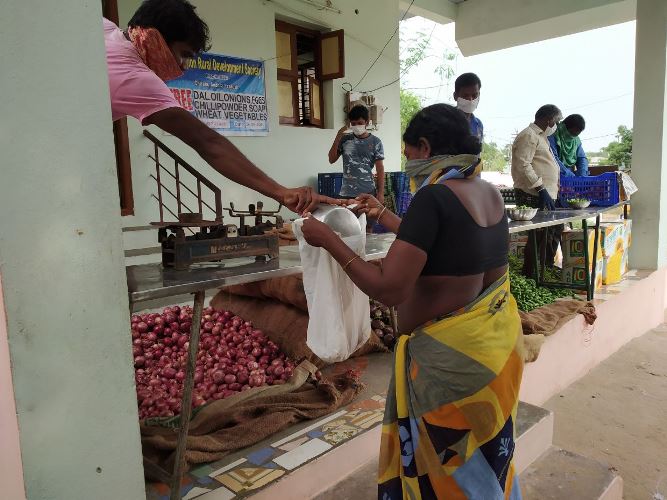
Through the pandemic we sent around £11,000 so families with no income in lockdown could get oil, flour, dal, vegetables and fish. It was all packed by hand.